TitleIX comments on ‘Cornell7’ incident
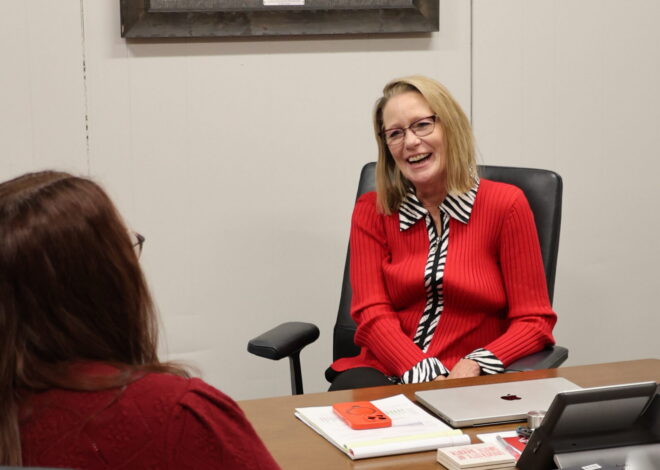
Title IX is an office at USD that deals with a variety of issues, such as sexual assault. Ashley Lemons is the Title IX Coordinator and explains the importance of Title IX on campus.
What is the difference between making an informal report, filing a formal complaint, and requesting a formal investigation?
Informal Report:
“An informal report is a way to notify the University of South Dakota’s (USD) Title IX Office of an incident or concern involving possible sex discrimination, sexual harassment, sexual assault, dating violence, domestic violence, stalking, or other conduct that may fall within the University’s applicable policies or jurisdiction.
Any person, including a student, faculty member, staff member, or other individual, may submit a report. A report may concern conduct involving a member of the University community or conduct that may fall within USD’s authority to address.
Submitting a report allows USD to assess the information received, provide information about available resources and supportive measures, and explain possible options for addressing the concern. An informal report does not, by itself, constitute a formal complaint or automatically initiate a formal Title IX grievance process.
The University’s response will depend on the nature of the allegations, as well as applicable law and policy.”
Filing a Formal Complaint/Requesting Investigation:
“A formal complaint is a written document submitted through USD’s Maxient reporting system. A formal complaint may be submitted by the complainant (alleged victim) or signed by the Title IX Coordinator, as permitted by law.
Individuals may access the University’s reporting forms through the USD Equal Opportunity and Title IX webpage. The University also provides reporting information through campus materials, including QR codes which are placed throughout the USD campus.
After receiving a formal complaint, Title IX reviews the allegations to determine whether they fall within the scope of Title IX. This includes assessing whether the alleged conduct, if true, would constitute sexual harassment under the applicable laws.
If it would, Title IX provides written notice to all parties and forwards the case to an investigator, who will reach out to the parties and witnesses for interviews.
If the allegations do not meet the requirements for Title IX, we assess whether other policies or procedures apply, such as whether there are any student misconduct issues. If so, we would refer the case to the appropriate department.”
Resolution Options and Hearings:
“The parties may decide to voluntarily enter into an informal resolution process at any time prior to resolution. Informal resolution is not appropriate in every case, and both parties must always agree to all the terms of the agreement in order to make it enforceable.
If the matter proceeds through the formal grievance process, there will be an investigation, hearing, and a determination of responsibility. Any disciplinary sanctions or outcomes will be ultimately determined by the President of the University.”
What happens when a student reports an assault but is not ready to participate in an investigation?
“First, it is important to note that USD’s Title IX office is concerned not just with compliance, but we also want to provide a compassionate, empathetic experience for our students.
When a student reports an assault but is not ready to participate in an investigation, Title IX provides information about available resources, reporting options, and supportive measures. The student will be informed about the process for filing a formal complaint and may be referred to campus police or local police, depending on the facts of the case. The student will also be given information about Sanford Hospital, so that they can get an examination to preserve any evidence, if they wish.
Supportive measures are available regardless of whether a complaint is filed or whether the student wishes to participate. Supportive measures may include changes to housing or class schedules, restrictions on contact between parties, counseling resources, academic adjustments, campus escorts, or other appropriate assistance. Available supportive measures vary from case to case.
A student does not have to decide immediately whether to participate in an investigation to seek support or learn about available options.”
How does the university determine whether a reported incident falls under Title IX or another university policy?
“When USD Title IX receives a report of possible Title IX violations, it reviews the information provided and determines the appropriate next steps under federal and state law and University policy.
As part of this process, Title IX will contact the person who is alleged to have experienced the violation to offer an intake meeting. During this meeting, Title IX gathers additional information, explains available resources and offers supportive measures. Title IX also discusses the student’s options.
If the reported incident does not fall under Title IX, it will assess if the conduct falls under another department such as University police or Dean of Students, among others.”
What happens when a student reports an assault but is not ready to participate in an investigation?
“First, it is important to note that USD’s Title IX office is concerned not just with compliance, but we also want to provide a compassionate, empathetic experience for our students.
When a student reports an assault but is not ready to participate in an investigation, Title IX provides information about available resources, reporting options, and supportive measures. The student will be informed about the process for filing a formal complaint and may be referred to campus police or local police, depending on the facts of the case. The student will also be given information about Sanford Hospital, so that they can get an examination to preserve any evidence, if they wish.
Supportive measures are available regardless of whether a complaint is filed or whether the student wishes to participate. Supportive measures may include changes to housing or class schedules, restrictions on contact between parties, counseling resources, academic adjustments, campus escorts, or other appropriate assistance. Available supportive measures vary from case to case.
A student does not have to decide immediately whether to participate in an investigation to seek support or learn about available options.”
How are cases handled when an alleged assault occurs at an off-campus Greek Life house, private party, or other location outside university property?
“The Greek houses are located outside of the University’s jurisdiction and fall under the jurisdiction of the Vermillion Police Department. However, these houses involve our students, and we care about our students and the situations they experience, on or off campus.
Reports of sexual assault or other sexual misconduct involving a fraternity or sorority, including incidents at off-campus Greek houses, are assessed by Title IX based on the facts. The fact that an incident occurred at an off-campus Greek house does not automatically place it outside the University’s authority. Depending on the circumstances, the matter may be addressed under Title IX, another University policy, or both. The University will also provide information about supportive measures and available resources regardless of whether the incident falls within the Title IX process.”
What are the typical timelines for an investigation, a hearing, and an appeal? What happens when a case takes longer than expected?
“The time required to resolve a Title IX matter varies greatly depending on the circumstances of the case. Factors that may affect the timeline include the complexity of the allegations, the number of parties and witnesses involved, the amount of evidence to review, the availability of participants, the scheduling of investigative interviews, and other various factors that may slow the timeline down.
Clear communication with the parties is given, when possible, so that everyone is on the same page about timelines.”
How does this university ensure that reports of sexual assault are taken seriously and investigated thoroughly, regardless of where the alleged incident occurred or the student organizations involved?
“USD’s Title IX Office responds to reports in a fair, impartial, and consistent manner. Reports are assessed based on the information provided – not on any individual’s membership in a student organization or the perceived status of any one party.
The Title IX Coordinator is a neutral facilitator and offers both parties support throughout, as required by law.”
When multiple people are accused in the same incident, how does the university investigate each person’s alleged conduct individually while also examining the broader circumstances?
“USD Title IX assesses the allegations against each person individually. The goal is to ensure each allegation is evaluated fairly, impartially, and in accordance with law.
The investigator will typically conduct separate interviews with the complainant, respondent, and relevant witnesses. Each respondent is given an opportunity to understand and respond to the allegations made against them.”
What procedures are in place to collect and preserve relevant evidence, including text messages, social media communications, witness statements, and other digital records?
“Title IX, UPD, and sometimes Vermillion Police Department, often work collaboratively to collect and preserve evidence that may be relevant in a sexual assault case. All evidence is preserved and kept in a Title IX file for seven years, as required by federal law.”
How does the university respond when witnesses may have seen or heard something but are reluctant to come forward?
“We recognize that potential witnesses may be hesitant to come forward or participate for many reasons, including concerns about privacy, retaliation, social relationships, or participation on a team or in a student organization.
A witness does not have to participate, and they will not be forced to do so. Their decision not to participate may, however, affect the outcome of a case in some circumstances. Without corroborative evidence, it can be hard for a complainant to prevail.
USD’s goal is to conduct a fair, impartial and thorough review based on the available evidence while respecting the rights of everyone involved.”