Striving for a bird safe campus and community
At the Vermillion Public Library on April 23, the Sierra Club and community members came together to learn more about how to protect birds from deadly window strikes and the effects of night lighting. Speakers shared information about how Sioux City became a certified Bird Friendly City and how Vermillion may do the same.
Marla Keer was one of the speakers and is from the Loess Hills Audubon Society. According to Keer, North American birds are dying at alarming rates, including Meadowlarks, Baltimore Orioles and Wood Thrushes. Grassland birds are at the greatest decline due to agriculture as a whole, but songbirds are the biggest groups of birds.
“The main problem we’ve observed on campus is window strikes; birds are flying into glass building facades and dying” Evan Shirley said. Shiley is a student at USD working on his honors thesis project who wanted to get involved with bird safety because of the joy that birds bring him and the accessible issue of window strikes.
Shirley is trying to get experimental data for Feather Friendly window strike deterrent specifically at residential buildings, to address that gap in the literature he’s found on different types of buildings. The goal is to show that Feather Friendly works on residential buildings.
“The overall goal is to get campus windows treated to deter window strikes and save birds,” Shirley said.
Jillian Murphy and Anna Moore started an on-campus bird safety initiative that Shirley calls “Bird Safety USD.”
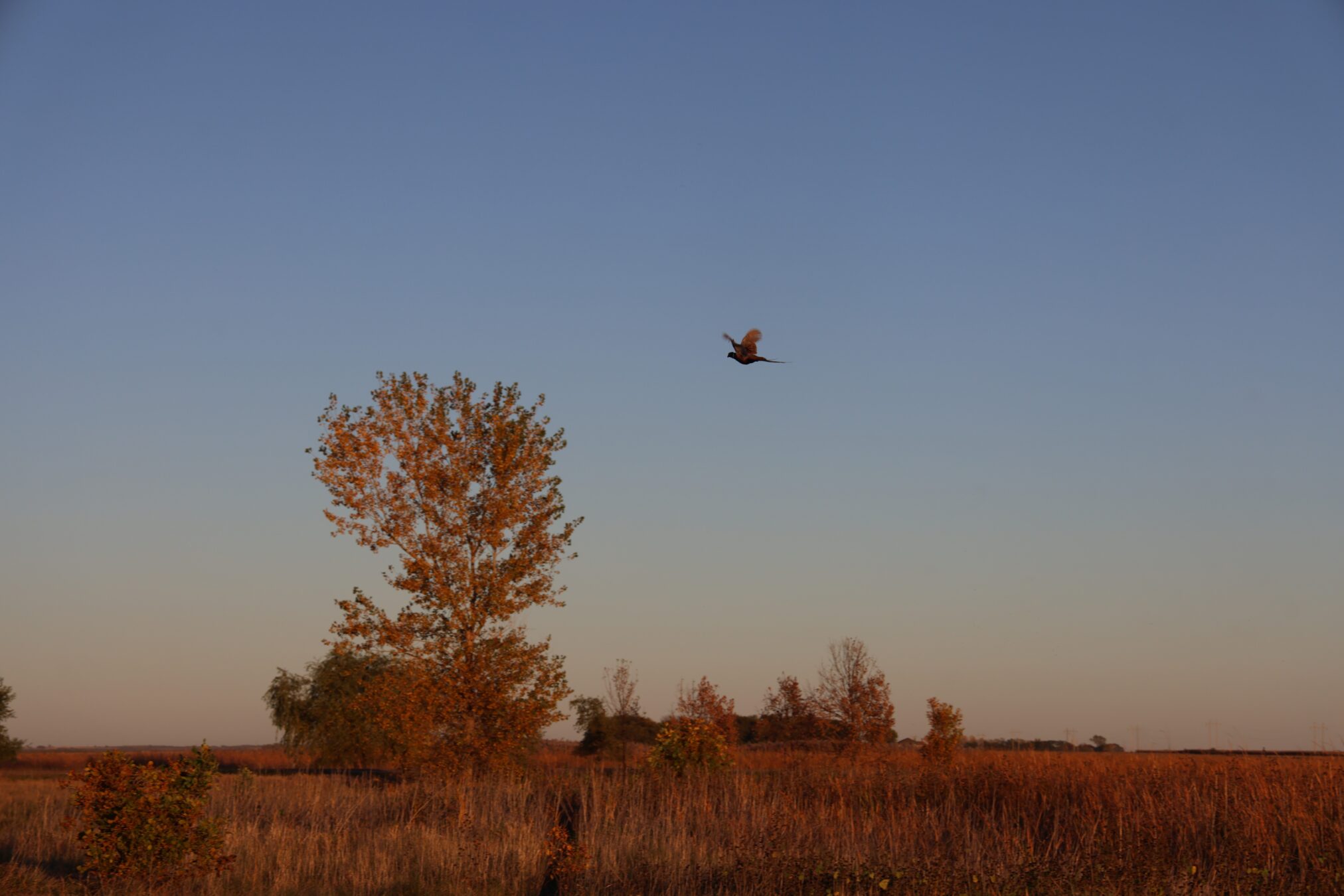
To reach that goal, they’re interested in finding volunteers that will help survey the campus buildings and collect evidence. If people are willing to count the amount of dead birds found, they can report the data on how many birds are dying on campus. For Shirley’s honors thesis, homeowners can volunteer to treat a window at their home and help us collect experimental data.
“This problem isn’t exclusive to USD’s campus though,” Shirley said. “Any structure with transparent or reflective windows can have window strikes, so it certainly happens all over Vermillion, and the rest of the world for that matter.”
For the Vermillion community, the solution is hypothetically the same as on campus by treating the windows and working towards being a Bird Friendly City. Vermillion also has other bird threats common to urban areas, like light pollution and feral cats.
According to Keer, the Bird Friendly network works on reducing threats to birds by protecting, restoring and enhancing bird habitats, as well as educating people in birding and conservation.
Jillian Murphy is a graduate student at USD and has a petition that supports making USD a campus safe for birds. Murphy’s personal goal is 300 signatures. She hopes to get a mixture of signatures not just from students, but also from faculty, staff and alumni as well.
“The majority of people who signed the statement were students and I love that. I want that to continue because if we’re making changes, they should be ones that will attract new students in the future,” Murphy said.
USD is not the only university tracking window collisions, as Augustana wants to make a change on their campus as well. If USD gets ahead of the trend, then there’s a potential to attract interested students, faculty and staff.
To help make Vermillion a more Bird Friendly City, keep these tips in mind. Artificial lights at night can lure birds into areas that they think are safe, but aren’t. Lights should be pointed down with no light leaking above the horizontal. Drawing blinds can also be a simple way to prevent birds seeing the light coming from windows.

Related Posts
From The Volante to Congress: Dusty Johnson’s USD roots
Review: Show ‘stopping’ first play